

 WhatsApp
Live party app development for audio and video rooms
Growmoon helps you scope the first room your audience will use. Define who hosts, who speaks and who watches. Then agree how moderation, streaming and interruptions work so you can compare proposals for the same experience.

Choose the first room format
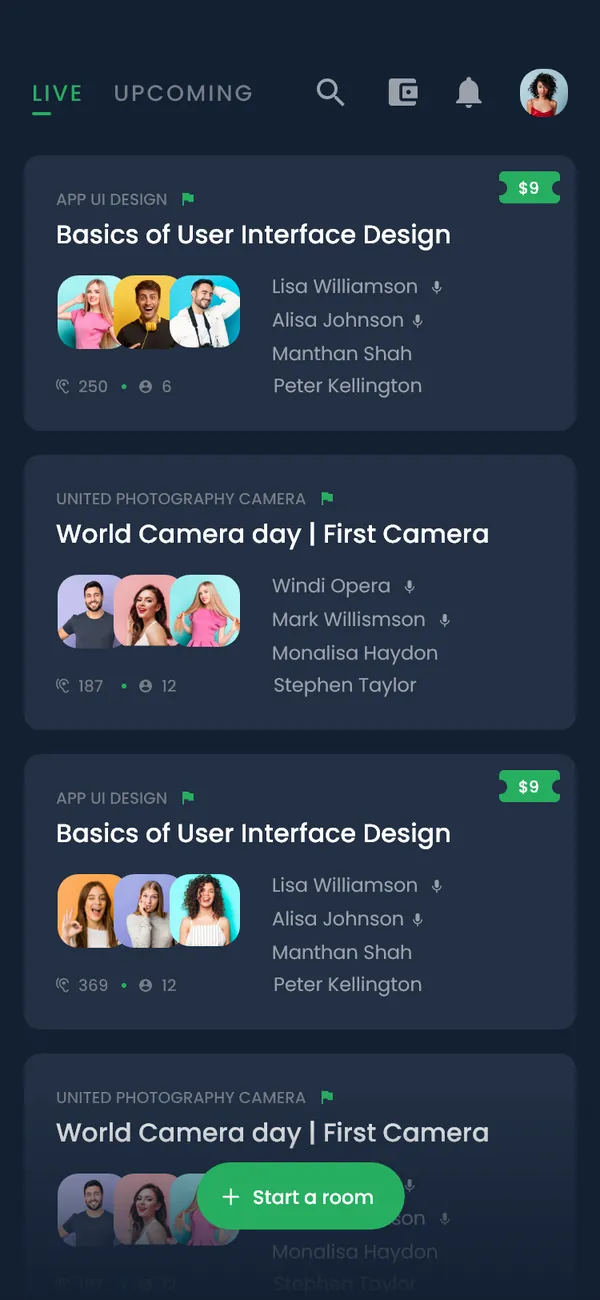
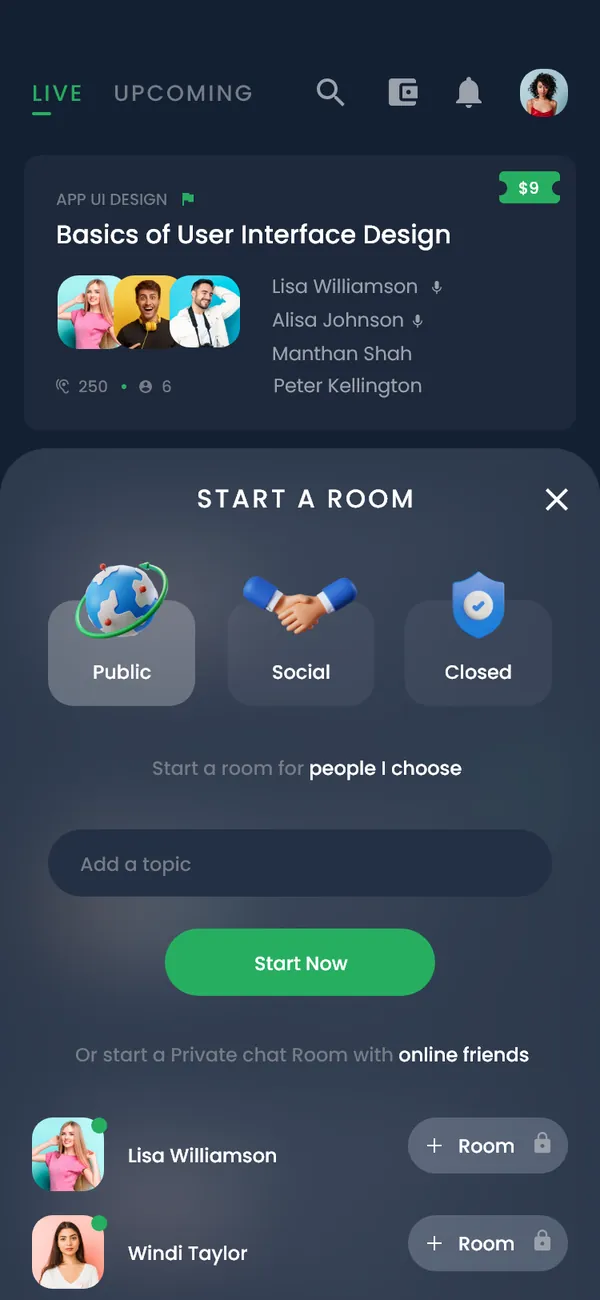
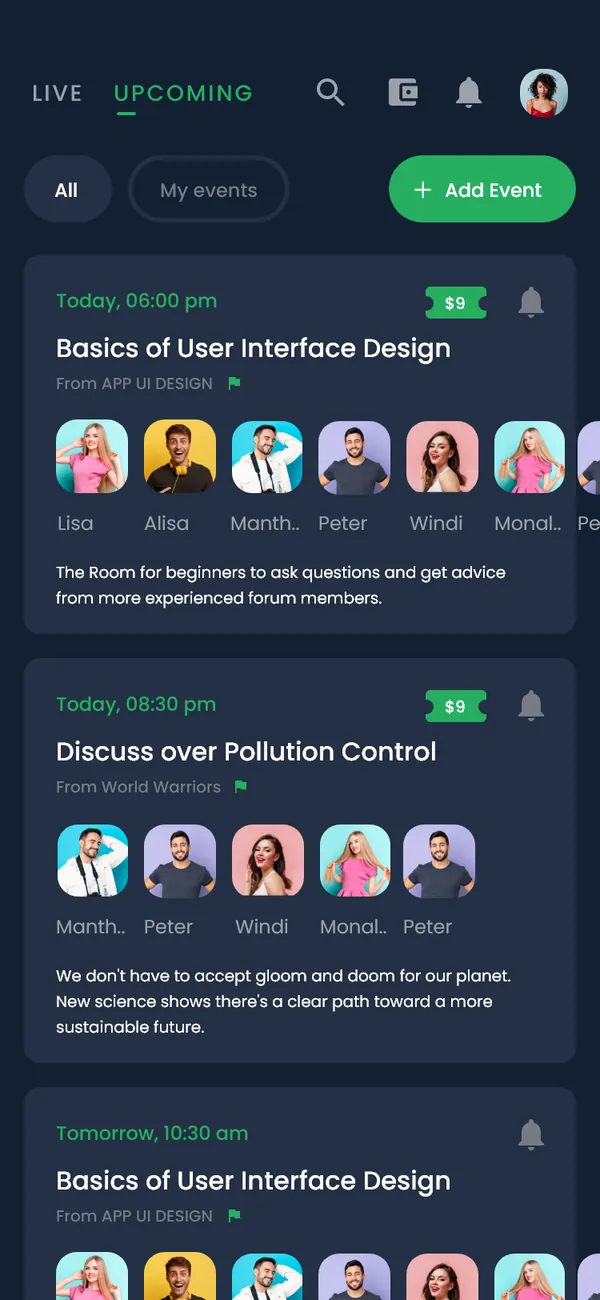
Describe one session from opening to closing. A scheduled conversation, informal audio room and invited video session place different demands on the app. Identify the audience and what would make them return. Keep optional features outside the first brief.
Record the supported devices, expected use pattern and any existing application or component. These inputs help define a useful technical assessment before choosing architecture or estimating a wider product.
- Room mode and entry rules
- Host, speaker and audience journey
- First-release essentials and later additions
Define roles and session changes
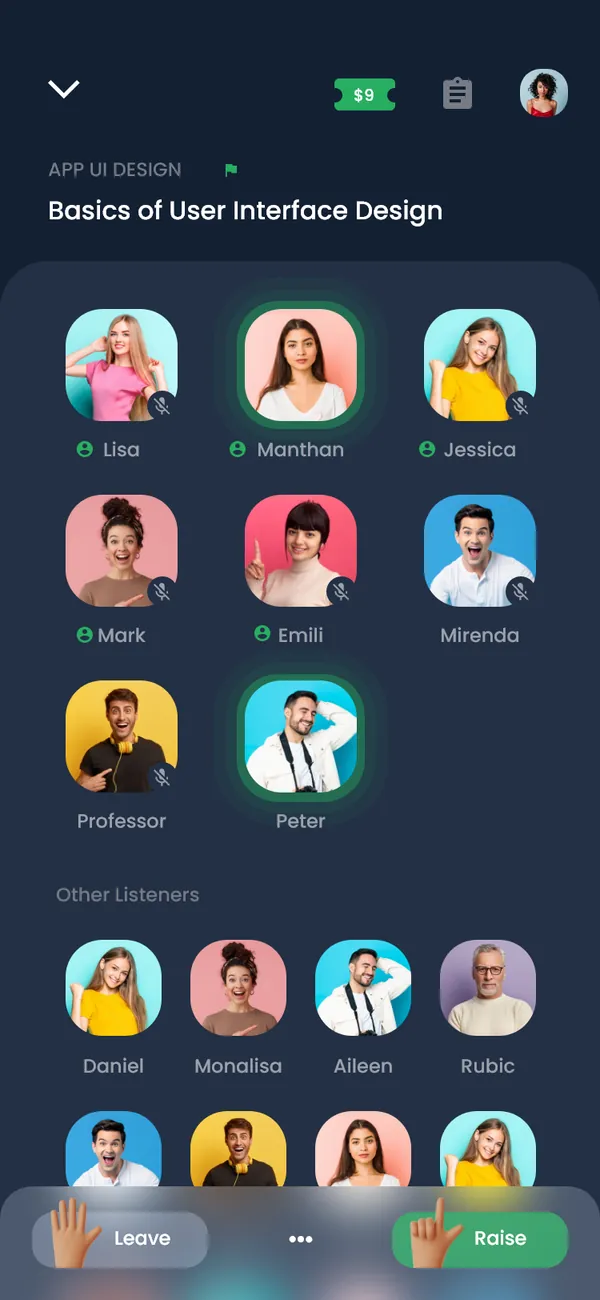
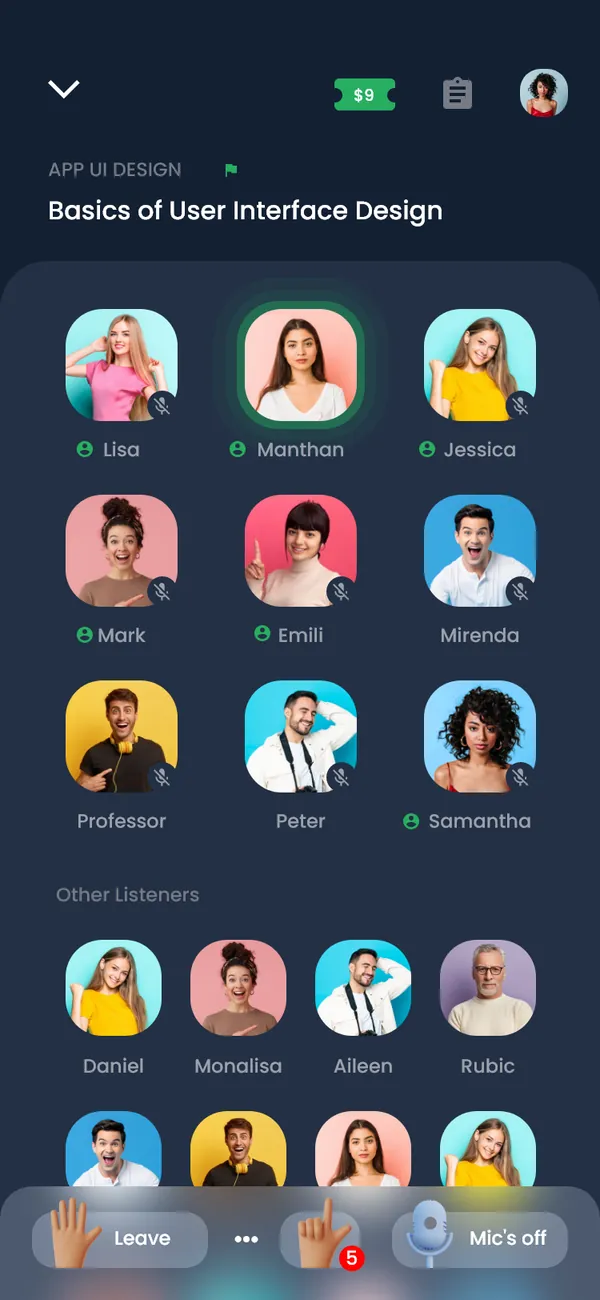
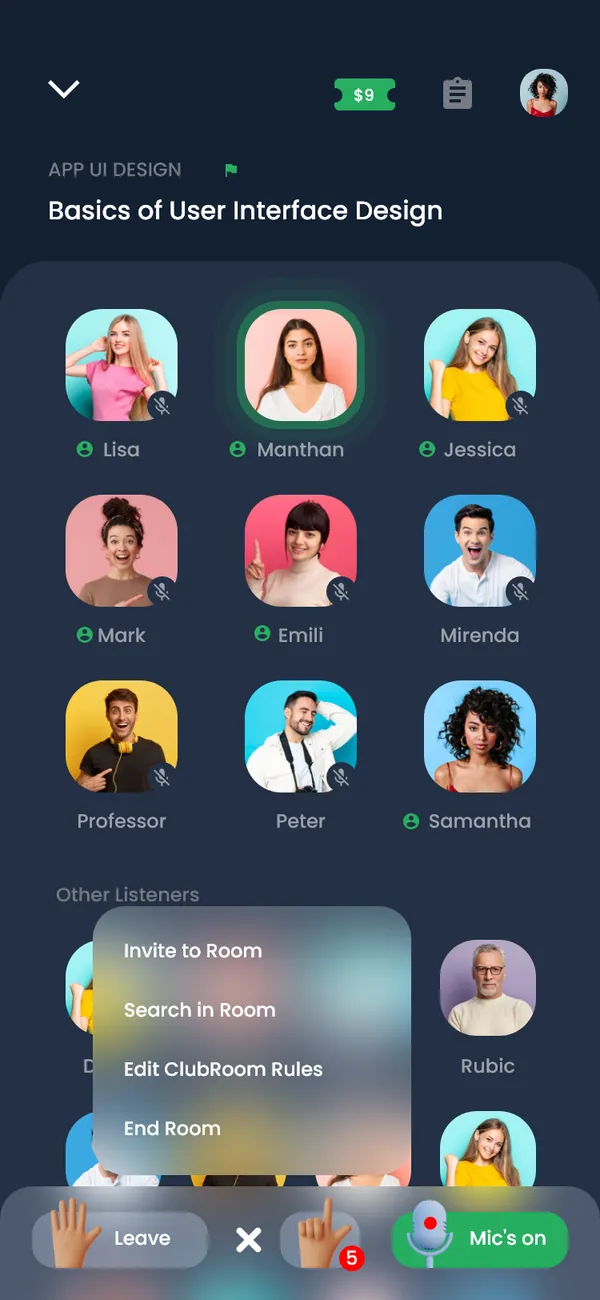
List the actions available to each participant. A request to speak, a host approval, a mute action and a removal are separate transitions with different permissions. Decide whether a person can rejoin, how a role changes and what the other participants see.
Include interrupted journeys as well as the normal path. A host leaving, a lost connection or a removed participant should have an agreed outcome instead of relying on an assumption made during development.
- Join, leave and reconnect behavior
- Speaker approval and permission changes
- Moderator actions and visible outcomes
Separate media services from app development
A media or messaging component is one part of the product. Accounts, room rules, administration, reporting and the surrounding user experience still need a defined scope. Compare the components against the actual room journey rather than choosing by a feature list alone.
For each dependency, identify the account owner, configuration responsibility, usage charges and what happens if the service changes. This keeps component integration and custom application work visible in the proposal.
Assign moderation and operating responsibilities
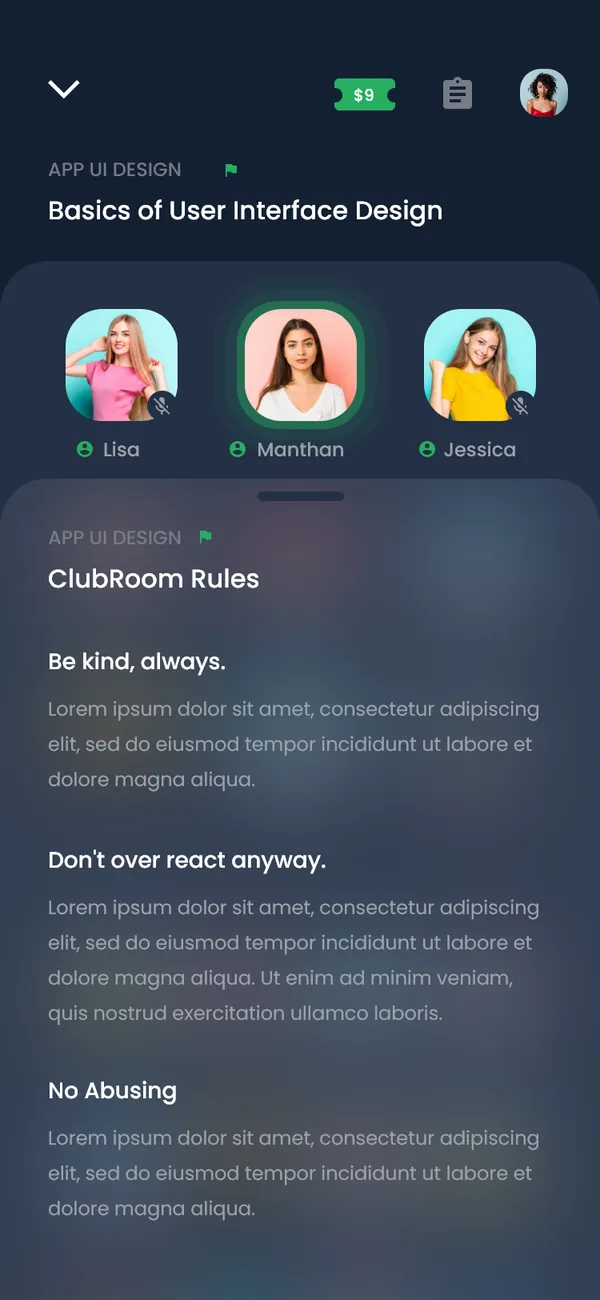
Decide who receives reports, who can act on them and how urgent issues reach an accountable person. Software controls and a staffed operating service are different commitments. Agree response expectations, escalation and access for the people running the product.
Recording, gifts, coins, payouts and other optional features should each have their own requirements and responsible owner. Include them in an estimate only when the intended behavior and dependencies are understood.
Compare recurring media and infrastructure costs
Initial development is only one cost category. Ask how media usage, room capacity, storage where needed, cloud services, support and moderation will be budgeted. Distinguish an included setup task from a recurring supplier bill.
Capacity targets should describe the expected room and audience pattern. A meaningful performance commitment needs an agreed environment and relevant tests; a successful single-room walkthrough cannot establish every usage level.
Essential journey agreed
Meaningful exceptions included
Evidence ready to inspect
Test a complete room before expanding scope
Use a small set of observable journeys to decide whether the first scope is complete. Check who may perform an action, the resulting room state and what is recorded when it fails. Agree the expected result before implementation.
Useful acceptance examples include an audience member requesting permission to speak, an unauthorized action being refused, a host disconnecting and a report reaching the correct moderator. Keep these functional checks separate from media-quality, scale and operational assessments.
Agree delivery, ownership and handover
The proposal should name the platforms, included journeys, component boundaries and excluded work. Specify which source, configuration notes, acceptance records and operating instructions form the handover, subject to the relevant rights and agreement.
Confirm who controls supplier accounts, handles updates and owns ongoing support. For a remote engagement, agree decision-makers, meeting overlap and review milestones around the team's actual availability.
Room platform handover
- Components
- Platforms, journeys, boundaries and exclusions.
- Handover records
- Source, configuration notes and acceptance records.
- Supplier accounts
- Account control and update responsibilities.
- Operations
- Operating instructions and ongoing support ownership.
Questions about live party apps
What does a live-party app need beyond a streaming SDK?
It needs application and operating rules around the media component: accounts, room roles, permissions, reporting, administration and support ownership. Define one complete room journey, including interruptions, then decide which component and custom work are needed for that scope.
Are gifts, recording and payouts part of every project?
No. Each changes the product, dependencies and operating responsibilities. List the required behavior, account owners and external services explicitly. A room-based first release can be scoped separately from those additions.
How should room capacity be estimated?
Describe expected simultaneous rooms, participants, session length and media use first. Architecture, supplier limits, usage costs and testing then inform the estimate. Keep a demonstrated functional journey separate from a capacity or performance commitment.
Describe the room you want people to join
Share the room mode, participant roles, intended platforms, expected use and who will operate moderation and infrastructure. Include an existing app or component if there is one, plus the first journey that matters most.
Discuss your room experience