
Skip to content
GrowmoonGrowmoon
From playable idea to complete experience

Game development from playable prototype to release

Growmoon helps you define the core game loop and build the prototype or supporting features it needs. Agree the platform, controls and production scope around the experience players should have.

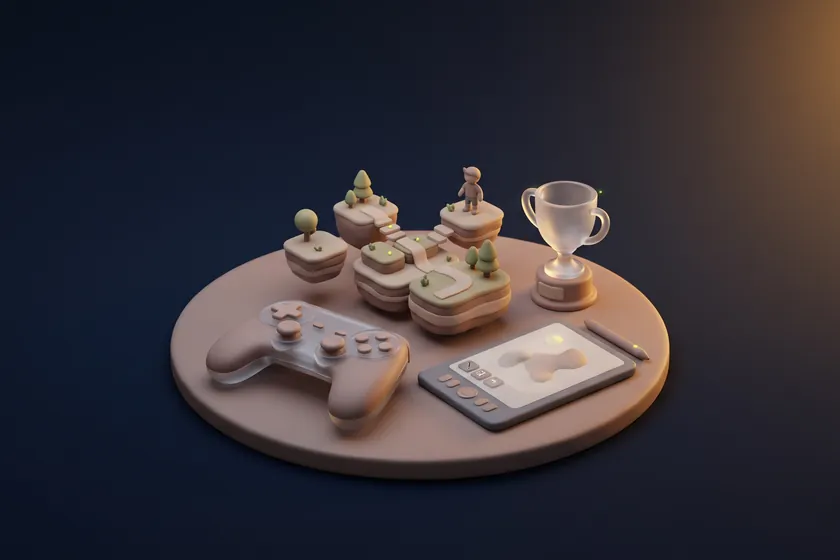
Original 3D illustration of a game development workflow
Original Growmoon concept illustration
Game DevelopmentShaped around your workflow
The starting point

Define what players do each round

Describe the player’s action, what changes after it and why they would try another round. Use a focused prototype to test that loop before committing to additional levels, systems or production work.

Explore the possibilities

Explore game development use cases

Choose a use case to see what the experience needs to connect.

Prototype a round

  1. Set the goalGive the player one clear objective.
  2. Test the actionTry the core interaction in a short round.
  3. Review the feedbackCheck that the outcome makes the next move clear.
Use case 01

Casual experiences

Prototype a small, repeatable play loop with readable goals, feedback and progression. Test the interaction before adding levels, cosmetics or social features.

Plan this workflow

Review a shared session

  1. JoinDefine which player state loads at the start.
  2. SynchroniseAgree how the game records a shared outcome.
  3. ReconnectDecide what a returning player sees after a connection loss.
Use case 02

Multiplayer concepts

Define sessions, player state and synchronization responsibilities. Connection loss, rejoining and authoritative outcomes need to be part of the design.

Plan this workflow

Connect the challenge to the goal

  1. Learning goalName what the player should be able to do.
  2. Interactive challengeMake the task practise that skill.
  3. Feedback and assessmentShow what improved and record progress separately from rewards.
Use case 03

Learning through play

Turn a learning goal into an interactive challenge with useful feedback. Keep the assessment rules separate from rewards so progress has a clear meaning.

Plan this workflow

Decide what the team can manage

Administration
Identify who can change settings.
Content
List the updates that can be made remotely.
Player support
Define what support staff can review.
App releases
Identify changes that need a new build.
Use case 04

Game companion tools

Build administration, content configuration or player-support tools around the game. Decide what can change remotely and what requires a new application build.

Plan this workflow
Technology with a purpose

Choose the engine and delivery tools

The right architecture follows the workflow, data and operating environment. Tool choices are part of the project scope.

01

Engine selection

Evaluate Unity or another suitable engine against platform, gameplay and team needs.

02

Connected systems

Game services and administration features scoped around the play experience.

03

Production pipeline

Versioned source, asset organization, test scenes and reproducible builds.

What we can build

Plan the gameplay systems and interfaces

Playable prototyping

A focused build to evaluate controls, feedback and the core loop.

Gameplay systems

State, rules, progression and content behavior designed together.

Interface and onboarding

Menus, tutorials and feedback that explain the next action.

Connected features

Accounts, sessions and backend APIs when the design needs them.

Asset integration

A documented asset pipeline with ownership and licensing checks.

Performance and handover

Target-device checks and instructions for producing a build.

How we build

From prototype to handover

01

Discover

Define the player’s goal, the game loop and what a prototype needs to demonstrate.

02

Design

Agree the key states, feedback and tests that will show whether the loop works.

03

Build

Build the agreed playable slice so the team can review behaviour before expanding.

04

Verify & hand over

Test the agreed play loop and document the assets, build and handover responsibilities.

Designed to be reviewed

Test the game loop and edge cases

A playable prototype is a decision tool. We agree how it will be judged: control clarity, game-state correctness, performance and the intended player journey. Asset provenance and any third-party services are tracked alongside technical work so the release package is understandable.

Project criteriaAcceptance checklist

The core loop can be completed and restarted without broken state.

Target-device performance meets the agreed project criteria.

Disconnects and invalid actions follow explicit game rules.

Evidence before handover
Questions, answered

Questions about game development

Can you start with a prototype?

Yes. A small playable scope is useful for testing the core interaction before committing to a wider production plan.

Do you build mobile games?

Mobile game development can be scoped for the chosen platforms. Controls, performance and device coverage should be decided early.

Can you use assets we already own?

Yes, after checking formats, suitability and the rights to use them in the intended product. Asset availability does not automatically establish redistribution rights.

Let’s make it concrete

Discuss the game
you want to build

Share the users, the systems involved and the outcome you want the product to support.

Discuss game development